Episode Transcript
[00:00:00] Speaker A: Would you love to discover the secret to creating habits that actually stick? You might have an idea of something you want to do, but it's just not happening.
In today's session, we're going to be diving into one sentence or one way of understanding habits in your life so that you actually can do them in a practical, ongoing way.
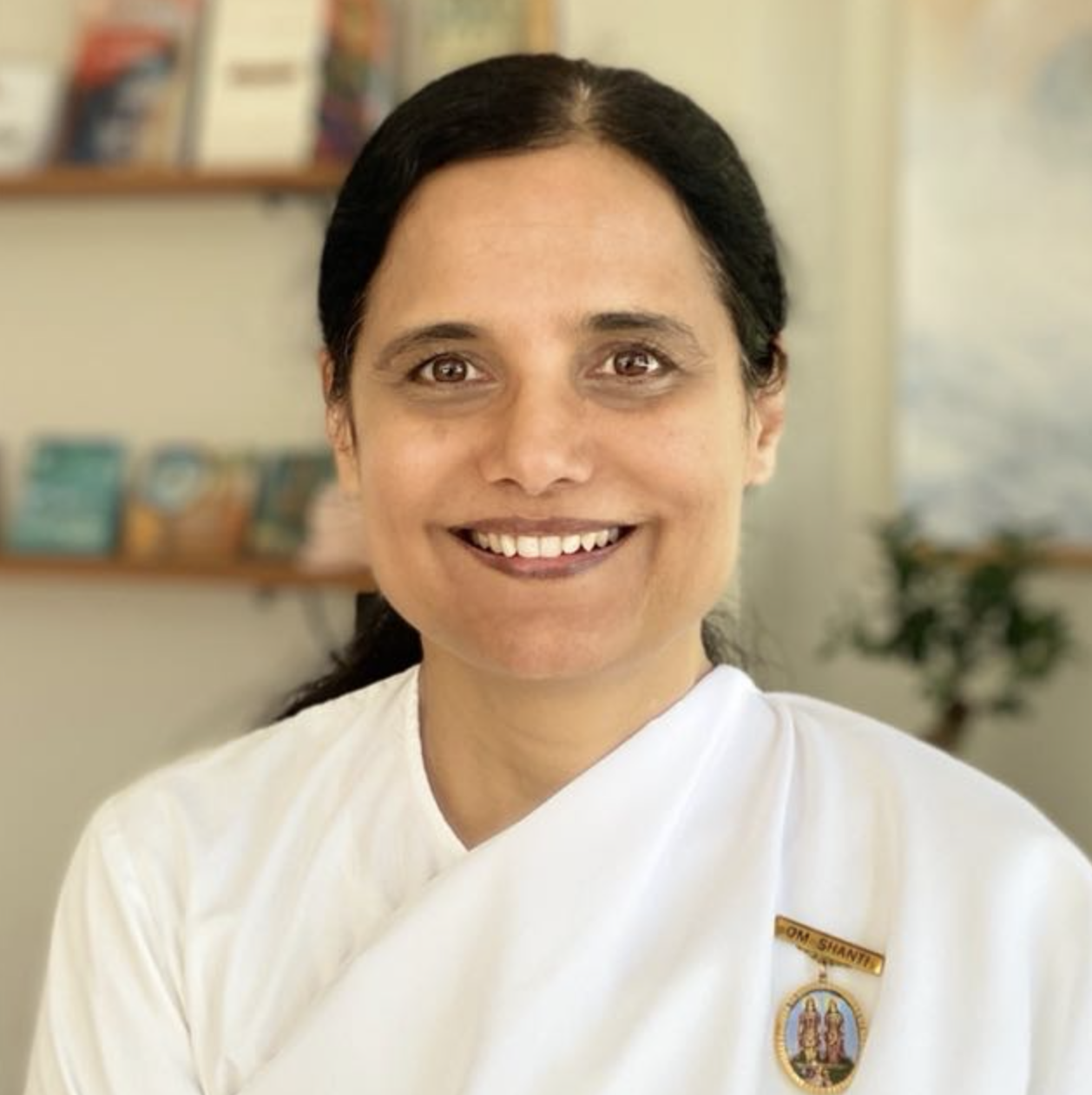
I'm Michael McIntosh, and I'm here with our lovely sister, Sherene. And both of us have been practicing meditation for almost 30 years, helping people all over the world. And it's our great pleasure to be with you today to share these things to make your life easier, happier, and for. For all the good things that you want to become manifest. So welcome, welcome, welcome.
[00:00:53] Speaker B: Hello, Michael.
[00:00:55] Speaker A: Yay.
So, yeah, so life is ultimately down to our habits, because what we do again and again and again creates our destiny, as Gandhi said.
Paraphrasing Gandhi here. But what we do again and again leads to our future. And the things that we do again and again are our habits.
So if we want to create new habits, we actually need to figure out how to create new habits so that it actually works. So what have got to share with us today that is going to help make this easier?
[00:01:30] Speaker B: I don't remember the researcher, but there was a researcher who studied this, right? Is how come. Oh, and they did a whole research around Christmas break.
He gave projects to, I think about 9,500 people.
And with some people, what he did was he said, you have a plan, and if this happens, you do this.
And.
And then some people he just gave the project and no plan.
And the people who had a plan, they were three times more likely to. They finish the project. More. Three times more likely to finish. Right. That's why it's three times more likely to. If you set yourself up in a certain way, then you're three times more likely to succeed with your plan.
Right. Let's say I want to exercise, then I need to have what we call the if then hack. Right. And if I have that, then I'm three times more likely to actually get the exercise done.
Actually, there are two things to actually exercise as a consistent exercise thing.
There are two things. One is the if then, and the other one is much more practical. And we'll get into that in a minute.
[00:02:57] Speaker A: Yeah, I remember reading one of these studies. There's all these fascinating things. I think it was the guy was trying to get people to fill in some tedious form or something. And the people who. He said, if you know, when you're doing this other thing that you do anyway, then fill in the form at a certain time or something. And then they are the one, all the ones who filled it in and everyone else just didn't do anything because it was in the context of something else that they were already doing. I think like once you finish eating, then you're going to fill in the form or when something, something then, then this.
And so this is, this is a proven method that works again and again and again. Because we're already doing things all the time anyway.
[00:03:40] Speaker B: Absolutely.
[00:03:41] Speaker A: And we're attaching, attaching a new habit to something that's already happening.
[00:03:48] Speaker B: And it could be as simple as after morning class, when I go into my room, I will do something, right? It's not necessarily a habit, but I'm just walking into my room. But there is a cue for me, it's like a cue that I'm walking into my room and I'm going to do something when I walk into my.
[00:04:08] Speaker A: Room, something that's already happening. You're connecting the new thing to an.
[00:04:12] Speaker B: Existing, like, oh, when as soon as I go sit in the car, then I will meditate for 90 seconds or something.
[00:04:18] Speaker A: And it works really, really well because we already, we are already doing things anyway and we're just saying when that happens, then this is going to happen. And that's the cue for the other thing. I'll give one example that I used to do until I stopped doing the queue. So it only works if it's current thing.
So I wanted to do more exercise and I just wasn't doing it.
And so at the time I was drinking espressos, which I don't do anymore because they're too potent for me. But, but so, yeah, so I went over to the espresso machine. I had to click on the button, right, because it has to warm up and it takes about 10 minutes to warm up. So you go click and then the lights come on and it starts warming up. During that time of waiting for the espresso machine to get hot enough, I would do my exercise and then I would reward myself with an espresso, right? So when I click the machine on, then I do my exercise. And then once I've done my exercise, then I have an espresso, right? So it's like a, it's like a habit sandwich. This thing caused that thing and that thing led to this outcome, this kind of reward.
But it stopped working because I stopped drinking espresso. So then once I stopped drinking espresso, I stopped doing the exercise as well.
So, so sometimes you have to. You might have a good one going, and then you stop the thing, and then you have to come up with a different thing. But. But that's. That's the essence of this whole thing. When this happens, then that happens.
So do you have any other examples like this that you use?
[00:05:50] Speaker B: I was thinking about more than I me having examples that together we should come up with a few things for what we would do, let's say. Because it's a problem with a lot of people, right? Scrolling social media, all of these things.
[00:06:09] Speaker A: Say.
[00:06:09] Speaker B: I'll give an example. If I want to scroll, like, if I want to go to YouTube and scroll, then before I do that, I take three deep breaths, right? Simple one.
Or it could be before I even get there, before I need a pattern interrupt, because I'm doing something, and then I just automatically seem to go there, right?
And so I take three deep breaths. Or the other one is, I will do a spiritual drill.
Or, you know, I'll get up and, you know, go take a walk around and then come and sit down. And if I still want to do it, then I'll do it. You know, things like that. We need to have a set of things that we do so that we interrupt that pattern.
So there is one for things for not doing, and then there's one for things for doing, like the exercises, right? You want to do it. And there are some things, like social media, you don't want to do it.
And so the if then has to be slightly different for both of them.
[00:07:20] Speaker A: That's true. That's true. Yeah.
A good one. A good one for the morning, which I've been doing as much as I can, is that when I wake up, when as soon as I wake up, I remember I'm a spiritual being and I say good morning to God because it's. It's a practice that I have. So if I wake up, the alarm goes off or whatever it is, then I'm like, okay. Because having a good thought in the morning, I think makes a big, big difference.
And as I'm going to sleep, I imagine going into the light as I'm lying in bed.
So they're practical things like morning and evening like that. They're, I think, one of the most powerful things you can do morning and evening. Because that has a profound effect on us.
[00:08:03] Speaker B: Because in our last podcast, we were talking about if we want to do new things right, we have to change a lot of our habits.
[00:08:12] Speaker A: That's true.
[00:08:13] Speaker B: And so we have to see where we are wasting time and really Change those habits.
And I feel it that if we have an if then, right? Like if you get a moment, just pause this right here and pick a habit that is really taking a lot of your time, which is not useful, right? And we come up with an if then statement for that, right?
For example, this one.
If I start scrolling, then I will take 3D breaths and I will do one drill, right? Just even before I start doing it.
And so what I've noticed is a lot of the times it makes me stop doing it.
[00:09:04] Speaker A: Yeah, that's, that's a good one. Because these, these things can, can take a lot of time. You know, once you get in the. Because it's a trance state. I think that's that the problem with scrolling and all this media stuff is that it actually puts us in a trance state.
It happened to me on the weekend, actually.
I hadn't been into any media, but I was kind of like, felt like I deserved a bit of media.
[00:09:37] Speaker B: Deserve it, brother Michael.
[00:09:39] Speaker A: I deserved it. I deserve it because I do such hard stuff all the time. And so I was just scrolling and I'm like, just that. I don't know. This is why I don't do this stuff. Because it, I go into a trance and it's. And it's designed to person a trance and it just goes on and on and on. I'm like, this is so, so unhealthy and so pointless, you know, So I just, you know, just delete that. For me, the best thing to do is like, if I find myself doing this stuff, figure out a way of getting rid of it out of my life. Because that's like preempting the problem.
[00:10:11] Speaker B: But you live alone.
[00:10:12] Speaker A: That's like a different level.
[00:10:13] Speaker B: You live alone and if you decide, oh, you don't want to have Internet, that's fine. But that I live with people who actually work from home. I can't do that.
Like, they need to go, they need to work.
Or, you know, and it's because there's so many other things happening in the center classes and this and that. I can't just, hey, I'm going to switch off the Internet.
So I really feel that. But we have to parent ourselves. We have to parent ourselves. We have to be firm, we have to be gentle, and we have to parent ourselves.
And this one, right, this whole. I feel like we are being sucked into the algorithm. Sucked into the algorithm. It is like totally sucking the life out of us. And so all of us, a lot of us, 90% of us are really wasting Time online, wasting time going through, you know, getting all worked up, right. All worked up over things that we really don't have much control over or we are all getting, you know, we do, you know, like I do these puzzles and I, you know, I'm like, no, I don't need this right now.
Right. And so which really I feel doing a puzzle is so much easier, so much more than just, you know, getting all worked up about Democrats and the Republicans. Right.
It seems a little more thing on the brain, but to really do something.
So there was a period in my life where I did have. I used to paint and every time I wanted to go on YouTube, which would be my poison YouTube and you know, check out whatever, you know, check out binomial equations or something, which was. Seemed very fascinating. But sometimes then I would not check out the binomial equation. I would go do this and then this and this. And before you know it, you're in a like a rabbit hole.
[00:12:25] Speaker A: Crazy town. The YouTube is designed to start a sensible place and end up in crazy.
[00:12:30] Speaker B: Land fairly swiftly, very quickly. It used to happen until.
[00:12:34] Speaker A: And you'd think, what the hell? How did I end up watching this random.
[00:12:37] Speaker B: So I set up a table and I would go and paint. Even if it's for 10 minutes, I would go paint.
And so like that, right. We need to take a moment right now and decide what is going to work for us where we are not going to get sucked into the algorithm. Whichever algorithm it is that you are hooked on.
Right.
We need to take time and put a stop to it because it's just manipulating our behavior. And so there has to be a very special if then statement for this.
[00:13:19] Speaker A: Yeah. What is it?
[00:13:21] Speaker B: And each one is different, Right. For me, I told you what it is like. I'll take three deep breaths and then I start doing a drill.
And I have a drill of the day every day and I start doing that drill.
[00:13:36] Speaker A: Yeah, it's good. I. I've got a list of about 20 things to do instead of media, which I actually came up with last week.
[00:13:46] Speaker B: Okay. Tell us some if you want to share.
[00:13:51] Speaker A: Yeah, so there's. I can't remember all of them off top of my head, but the, the main ones are things like play the piano, listen to music, read a book, go for a walk.
Well, I had a long list. So these are the ones that are easier to do.
Make some tea, right.
Talk to somebody.
And I have to find my list. I can maybe send it to people. It's a nice. It's a full list. But the problem is some of these, if we're really honest about it, right?
What I personally find is that the reason these habits exist is the contextual.
So if I have the Internet turned off, and I know Shereen's like, you can't do that. Fair enough. No, everyone else can't do that. Fair enough, right? But I can. If it's turned off, I don't care. I'm not going to do any of this stuff and I'm not interested.
But what happens for me is that if I'm working on something that's quite difficult, that some part of my brain is like, I give me some dopamine because I damn well deserve it, right? That's basically what's going on.
[00:15:14] Speaker B: You know, I saw a movie recently, and that was exactly why I saw it. I had, like, to deal with such difficult personalities, and I was like, I deserve to watch a movie. Which after so many months, I watched it. I watched a movie, right? Like, I need this. I need this.
Like, you really think this is the reward?
[00:15:41] Speaker A: It's sort of. I, I put up with all this stuff and I, you know, so it's contextual. You know, if it wasn't for that other thing, then this other thing wouldn't have happened. And of course, that's not an excuse, but that's just how it feels at the time.
So it, it's in those moments where, where there's a trigger and, and there's. There's an easy out. Do you know what I mean? Like, because all these bad habits, they're basically ways of managing discomfort, really, if you think about it, like, whether it's food or media or chemicals of various kinds or whatever it is, right? There's a discomfort. I'm feeling disturbed in some way. And this is the quickest, fastest way to feel better. And that's why I think cell phones are so addictive, because they're, they're not already, like, around all the time.
And instant dopamine, boom, boom, boom, boom, boom. And it's designed special dopamine for every person, you know, based on what they like.
So, I mean, it's incredible really, if you think about it. This is so.
So to not do that thing in that context is actually quite difficult because it, it's in the context where we're at our weakest and it's right there.
[00:17:03] Speaker B: Yeah.
[00:17:04] Speaker A: You know, so.
[00:17:05] Speaker B: But we can.
[00:17:06] Speaker A: That's why it's hard.
[00:17:08] Speaker B: We can put some guardrails, right?
We can hear.
[00:17:13] Speaker A: This is. So. It's like.
[00:17:14] Speaker B: And so one of the things, right? Okay. So that this is for things we don't want to do, right? And so one of the things I was thinking is to just get up and even if it is for five minutes, you know, go, like if you're in your office or if you're at home, whatever it is, just go.
Even walk around the room, right? For five minutes. Just tell. What I'm telling myself is after five minutes, if I still feel like it, then I'll do it. But let me just go around for five minutes, right? So at least I'm interrupting the pattern for five minutes.
And if I even eventually give in and watch a few, you know, cooking videos, that's fine, but at least I'm not binge watching for an hour.
And so that's that. And then the other thing I feel is like, if I want to do something, right? What do I do if I want to do something? And I want to really talk about this exercise.
So we all have this thing, right? I'm going to exercise more.
And most of us feel that, okay, exercise means I'm going to go to the gym and exercise.
And so let's say it takes about 10 minutes to get to the gym and you will be discouraged because it might be cold outside and 10 minutes is there and 10 minutes back and all of these things, right?
And so you were talking in the last episode about Tibetans, and a friend of mine recently sent me, you know, in a cloud.
They are on YouTube. But she sent it to me so I can download and I don't watch YouTube. She was very specific about that. She said, I'm sending it to you so you download and don't watch YouTube.
And so she sent me these Japanese exercises and it takes just 10, 15 minutes, right? And so we could say before coffee, right? Before, by, before my morning coffee, I'm going to just play these exercises like, you know, they're on YouTube. Just play these Japanese exercises, any exercise, right? For 10, 15 minutes, I'm going to play them and I'm going to do them.
And only if I do that for 10 minutes. Who cannot give time for their body? 10 minutes, right? Everyone can do that.
So for 10 minutes I will do this. And if I don't do that, then I won't have coffee.
[00:20:04] Speaker A: Yeah, exactly. This. This Shirin came up with a great one for the email because I was having a hard time sending out emails, even though I have thousand emails on my computer.
And she was, she said, you said to me, shireen, no chocolate till you send out an Email and I have a chocolate company and I have all this chocolate in the house. So I'm like, I remember thinking, all right, let me try it out. Right. And it worked. It worked really, really well. Because.
And it's not that if I wrote an email, it's if it actually was sent. And I see that it came like to the public because we've, I think we've sent like a hundred and one hundred and twenty, zero zero zero emails now.
[00:20:52] Speaker B: Yay.
Congratulations.
[00:20:55] Speaker A: Yeah, it was coming along quite.
[00:20:56] Speaker B: I hope you didn't eat that chocolate.
[00:20:58] Speaker A: Thanks to the thing.
I've had 120000 chocolate bars since then.
No, but one. But the thing is, so I would. So what was happening with me was I was like, I don't really want to do these emails because it's uncomfortable because it. And the reason it's uncomfortable. Most time for any habit is that we're out of practice or it's. We're not used to it or it's a bit outside our comfort zone. Anything new, anything new and different causes some level of discomfort.
So I was like, all right, let me just do it.
And then when I have sent out a message then I can have some chocolate.
It's a win, win situation.
[00:21:45] Speaker B: It is, absolutely. And you know, exercise, right? We were talking about exercise or even chocolate, if that's your thing. Coffee or chocolate or whichever that I will not eat chocolate that day if I don't exercise.
Right. We have to really be a little firm with ourselves.
Like you were saying, like, you know, if I don't send out an email, then no chocolate, right?
[00:22:11] Speaker A: No, I didn't have chocolate for quite a few days because no emails were sent out. It was a horrifying experience.
[00:22:16] Speaker B: Absolutely. So. Or this one. This one. Really?
As soon as it's seven o' clock I set the alarm.
Or whenever you drink your coffee, right? Let's say you drink your coffee at 6:30. That's fine. Set the alarm 10 minutes before.
And this really, really works because I do it and it works right. 10 minutes before. I don't drink coffee, but other things. So 10 minutes before. So if you drink your coffee at 6:30, you set the alarm at 6:20 and you get up and you tell yourself, I will do these 10 minutes of exercises. I don't need to go to the gym for this, I don't need to do some special out this and that then. Because then it's cold, it's not out for.
In Florida we have allergies and I was walking a lot and then the pollen came, and then the allergies came in, and then I stopped walking. And I thought, no, it can't depend on all these things.
I can exercise at home for 10 minutes. I put the alarm 10 minutes before I drink coffee, do exercise for 10 minutes, and then I will drink coffee. And it works.
[00:23:31] Speaker A: Sounds like you need to start drinking coffee, Shirin, after all these days, you.
[00:23:35] Speaker B: Know, like, I have alarms for things that are very important in my life. I don't leave it to chance.
I don't think, oh, if I remember, I'll do it.
No, I have an alarm. And when the alarm goes off, this is what I'm doing.
And the other very important thing which is additional to this is let's take exercise, right?
Or even the flossing example we were talking about.
What I've discovered is, so if. Because, okay, so the dentist asked me to floss because of whatever was going on with my teeth.
And I wasn't used to flossing in India, right? You don't floss. No dentist asks you to floss. Maybe now they do. But at that time, when I was growing up in India, no flossing. So I came here and the dentist said, you have to floss, otherwise, you know, you're getting a lot of cavities. This is happening. That's happening. I said, okay, I'll start flossing.
But one thing I told myself, because I had to create the habit, because I didn't have that habit, right? I had to create the habit. I told myself, even if I don't floss all my teeth, I'm just going to floss two teeth, right? Two tooth.
And so every day, at least two tooth every day, right?
And so what I've discovered is six months of flossing just two teeth.
Sometimes it's more because then, because you're doing two, then you do a little more.
But six months of flossing, even imperfectly flossing, is better than flossing perfectly for one week and not doing anything for the rest of the year, right?
[00:25:32] Speaker A: So because the habits, the habits.
[00:25:34] Speaker B: More important, the habit is more consistency. Habit, all of that is more important, right?
So like, let's take exercise. So 10 minutes, right?
I feel 10 minutes is like minimum viable, but if you feel that's not minimum viable, you want to do one minute or 90 seconds, right? Just get up and do 90 seconds. So 90 seconds. So one year of doing it is better than doing it for one week and not doing it for the rest of the year.
[00:26:05] Speaker A: It's true. This is a game changer. This is so important because the ego says you have to do it perfectly or there's no point. That that's kind of like some.
The kind of Nazi in the mind that has certain standards and it has to be. But realistically, habits are about consistency and it is better to get on the yoga mat and do a little bit of something. I had a client once who wanted from my business and she had a meditation room.
She moved into a new house and she had a room specially for meditation. And it had like special candles and it had this n picture in it and it had all these different cushions.
And she said to me, she. She'd been there for about six months and she said she's only been in the room once.
[00:26:53] Speaker B: She must have only been taking so long to decorate the room.
[00:26:59] Speaker A: Yeah, she got it everything ready and probably everything. The carpet was perfect and it was just like per. You know, it's just like the lighting, everything. And she said she'd been in once because in her head she had to like sit for like an hour or two hours or something and it was silent in the room and she just freaked her out, so she just couldn't do it. And I said to her, look, just open the door, go in the room, sit on the back on one of your special cushions, right?
Just take a couple of breaths and walk out again.
Because then she's gone in the room like twice in six months rather than once, right? And then she did it again, and then she did it again and she did it. And then she started actually doing longer practices and longer. And then she likes her room now and she made friends with her, with her practice.
But this, this whole thing that we have to do, this massive thing or nothing totally derails us completely, right?
So. So it has to be if, if or when I do this thing, then I do this other thing, even if it's a small thing when I'm going for like when I go for a walk, right? So like, here's another example.
When I am going for a walk, then I'm also having powerful thoughts. Like I had certain practices, certain drills. Like I'm a soul, you know, I remember God, I'm a soul. I want to walking right? With different feet. Or it could just be I've got my malabeads and I'm using something, some sort of practice so that by the time. So I'm going for a walk, but I'm also using my mind in a useful way at the same time.
Or sometimes I bring my My phone that isn't connected to the Internet, and I listen to something that I want to learn, so I'm walking and learning.
So we can manage to gain all kinds of great habits in the day if we stack as many of these as we possibly can. You know, not too many at once, that we freak out and have a meltdown because there's. There's a limit to how many new things we can change without losing our mind, actually. But there's quite a few things we can do in a day that would work out very well.
[00:29:14] Speaker B: You know, in the last episode last week, we were talking about finding three things, right?
So don't try to do too many, right?
Pick three things. Whenever you're listening to this, pick three things you want to do in your life, which you always wanted to do, and find, like, if this is happening, then I'm going to do this, right?
If morning coffee is happening 10 minutes before morning coffee, I'm going to exercise.
And if my 10 minutes is the max, I can exercise. But if I can't exercise for 10 minutes, I'm going to do one minute exercise, and that's it, right? Because everyone who doesn't want to exercise more, who doesn't want to, you know, eat healthy and, you know, be a healthy weight, and who doesn't want all of these things, but we can do it.
I feel we are sabotaging ourselves when we just have the intention, because people think, oh, I'm not motivated. I don't feel comfortable. But that's not true, right? The motivation and the discipline and all of that will come if you do this, if this is happening, then I'm doing this. And pick a concrete thing in your life and you will do it.
[00:30:34] Speaker A: Yeah, it really, really works. And Shereen and I both have various versions of this, more than we think. And I was thinking, like, at the beginning of this episode, like, how many I'm doing this probably about 10, 15 times a day. I've just got used to it, the things I'm already doing, like. Like, for example, with this podcast, right?
When. If we are doing a podcast, we record more than one episode at the same time because we're already here and everything's set up right. Do you know what I mean? We're used to trying to do one at a time, but then it was harder to schedule in because we're all busy.
So you can apply this to almost anything. Like, if I'm filling up my water, all right, I put a bit of electrolyte drops in the water because then it's more hydrating, you know, or if I'm.
When. When I wake up, then I do certain practices. When I go to sleep, I do certain practices. When it reaches a certain time of day, then I put the Internet stuff in the box and lock it so I can't go online.
So you can really think about this in pretty much any area of your life. You know, like if you're talking to someone, then you can send them love and blessings, you know, rather than giving them a hard time or whatever it is. Oh, so there's so many ways of doing this.
[00:31:57] Speaker B: So suspicious.
[00:32:02] Speaker A: Suspicious, suspicious.
[00:32:03] Speaker B: Like it's directed at me.
[00:32:05] Speaker A: Oh, yeah.
[00:32:06] Speaker B: Personal.
[00:32:06] Speaker A: It's not always gives me blessings.
No, no, no, no. There's. There's all sorts of opportunities for these things, isn't there? So we want you to think of at least one thing.
[00:32:20] Speaker B: Yes.
[00:32:20] Speaker A: That you want to do one thing.
So if you do this thing you're already doing, then what is the new thing that you want to do that you do? This. Then it means this. So it can be a positive thing. If you're drinking, like I remember someone was telling me she. She used to. When she's drinking water, she imagines she's receiving spiritual light when she drinks, just because she's already drinking anyway.
So it's a reminder to have spiritual practices while she's drinking the water.
I think adding.
Adding something like that. If I'm doing this thing, then I'm going to do this other thing is fairly easy. Get. Getting rid of something I think is a bit more difficult, actually.
[00:33:09] Speaker B: No. Especially getting rid of this addiction to algorithms. We'll talk about that another time.
[00:33:19] Speaker A: That deserves. It deserves something.
[00:33:21] Speaker B: One thing I want to talk about is end with, if possible. If you don't have anything else to share is one of the things I've noticed is people wait for motivation to arrive.
It's just going to come.
[00:33:40] Speaker A: Tony Robbins, we need.
[00:33:41] Speaker B: It's just going to be in your lap. It doesn't land in your lap. Right. You have to create a habit.
And this 21 days is a total myth. We can do another podcast on that. That's a total myth. It takes a lot longer than that.
Just do something and assign. If this is happening, then I will do this. And don't worry about discipline. Don't worry about motivation. One thing you need to understand about any of these is it's a pattern. Right. The soul is used to patterns, and so the soul responds to patterns.
Right. So if I take a break. Right. Because habits are up and down up and down. Right. Even, let's say going on the Internet, not going on the Internet, it's a habit and it's up and down, up and down. If I do it one day, then, okay, if I don't do, let's say I don't do exercise one day, that's fine. Right. Because it is up and down. It's not like a curve that goes like this. Right. It goes up and down.
But if I don't do it for two days, then that becomes a pattern and then six months goes by and then you won't do it. That is why there's two tooth. Right. Two tooth floss. The two tooth method is pick a small amount and just do that instead of interrupting your pattern.
[00:35:13] Speaker A: Yeah, it's so important.
Doing the thing consistently is what creates the habit, which then expands the habit, which then changes our life. But we, we don't realize, I think we're going to do another session on this, another episode, that all of these good things that we do, they don't have any really powerful, profound changes in our life at the time we're doing them.
Okay. Like if I do meditation, I'll feel better. And it does make a difference. But the big impact happens in like 20 years or in a year.
[00:35:46] Speaker B: Absolutely.
[00:35:47] Speaker A: Or if I do something bad, it doesn't wreck my life completely today. But if I keep doing it, it's going to destroy everything over time.
So we'll talk more about that later.
So from this episode, pick one or two things.
If you do this, then what are you going to do instead? And just keep doing the small version of it consistently and you'll see that your whole life gets better. So there it is.
Let's have a blessing.
[00:36:13] Speaker B: I'm going to randomly pick obedience.
Obedience.
This is God's blessing for you. Obedience.
By living in harmony with the principles of pure love, your life has found its rightful path.
Because you are obedient to truth, your life is transformed into a joyful dance reflecting the pure love you embody.
[00:36:59] Speaker A: Yeah, that's so beautiful. Obedience is one of those things that has certain negative connotations for a lot of people, but in reality, it's an extremely powerful thing that we all need to. To be obedient to what is right.
[00:37:11] Speaker B: Truth. Right. Not to human beings, not to this, not to that, but to truth.
Yeah, sure.
Lovely to be here. Wonderful, Brother Michael.
[00:37:23] Speaker A: Great to be here.
Thank you. Thank you. So you. Talk to you soon and enjoy, enjoy, enjoy.