Episode Transcript
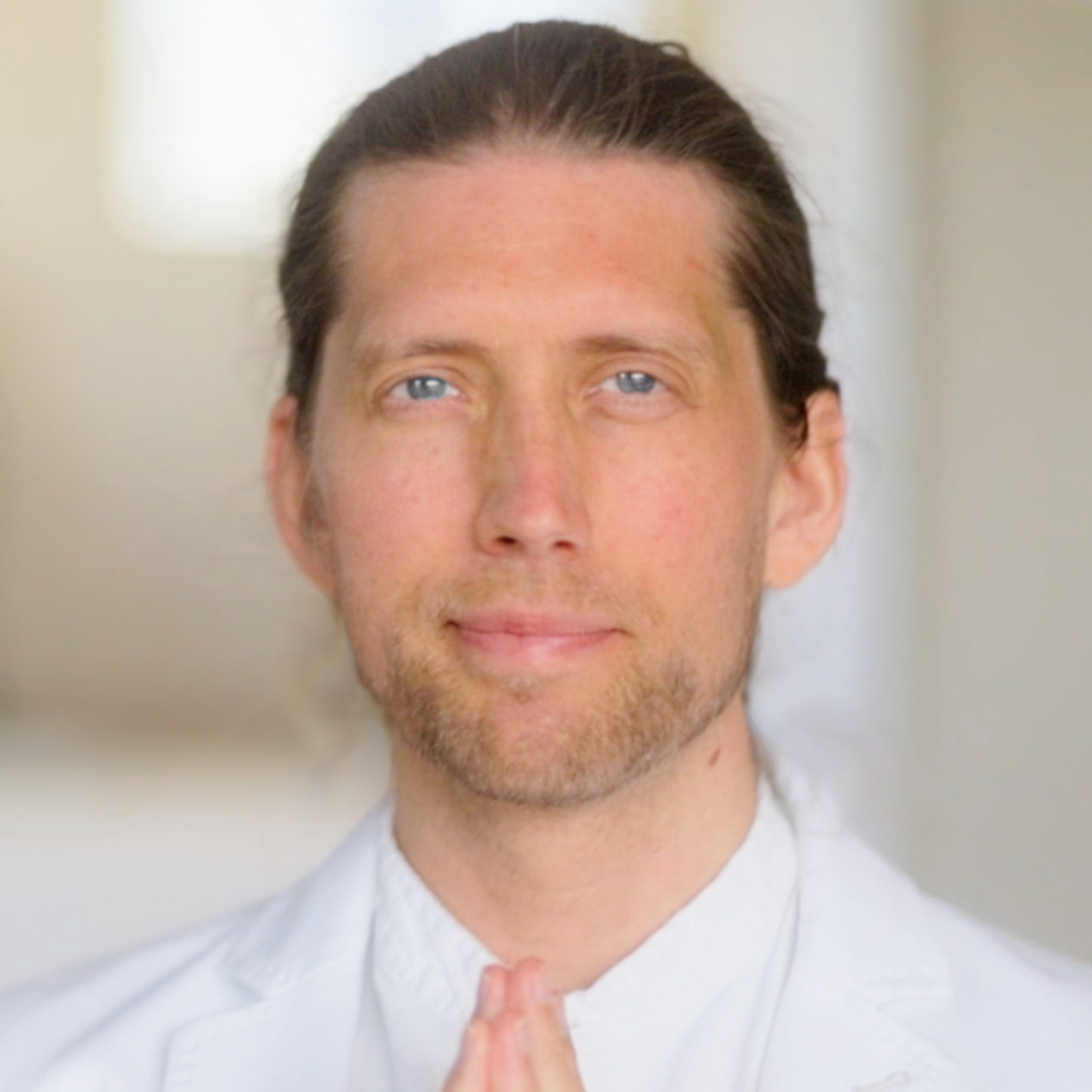
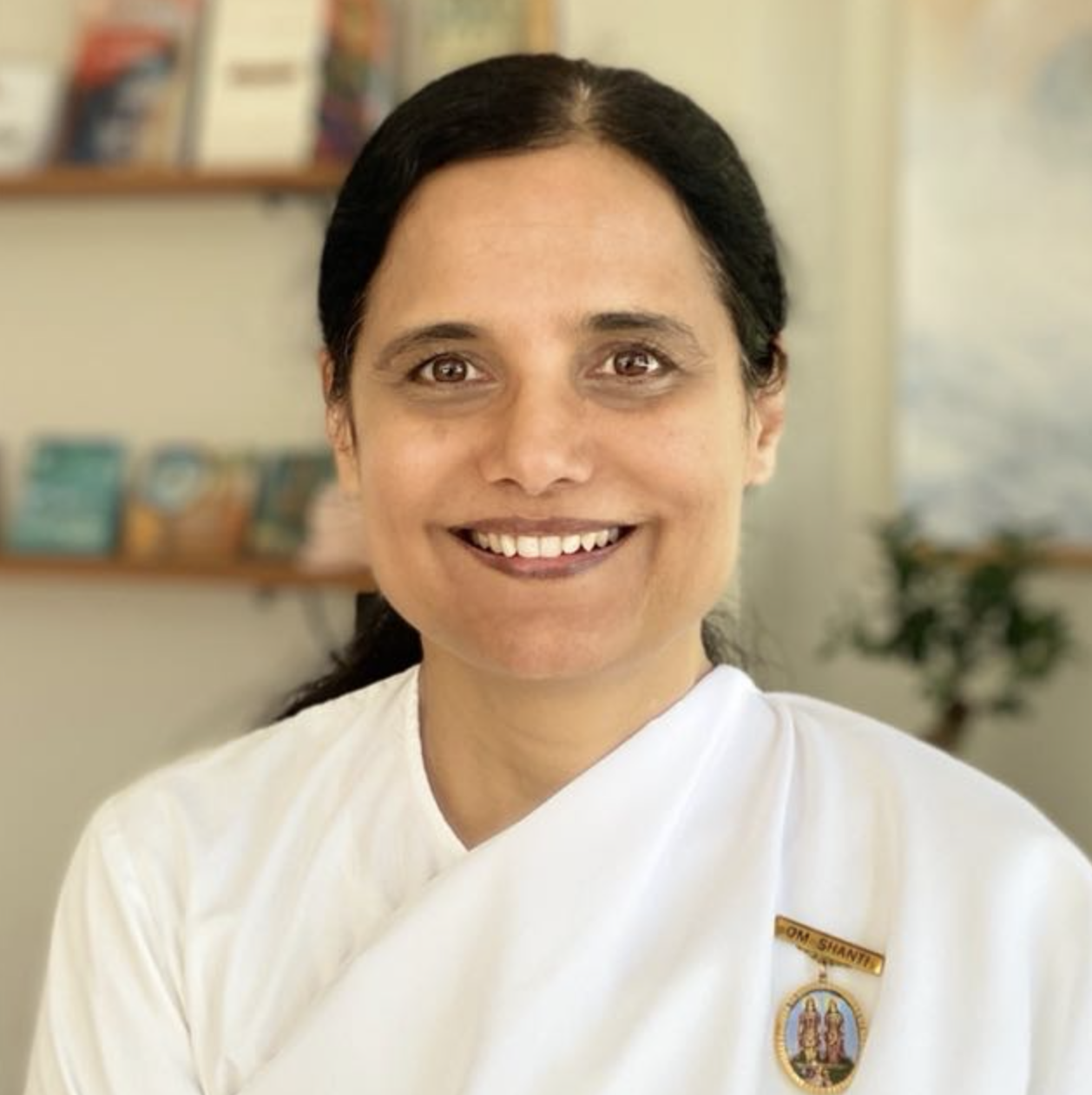
[00:00:00] Speaker A: Hello, everyone. Welcome to Spiritual Sense. This is Shireen, and I'm here with my dear friend and co host and my dearest brother, Michael McIntosh.
And some of you might know Michael from his Insight Timer meditations.
So he has 85,000 plus 5 star reviews and a lot of them are for sleep meditations.
So Michael is really good at putting people to sleep.
Wonderful. Yay, Michael.
So we hear a lot from people.
This is something I hear a lot, and I'm sure you've heard a lot, is, why can't I sleep? I'm exhausted and I still can't sleep. I'm so tired and I put my head down on the pillow and my mind is racing. I've tried everything and nothing works.
And what do you say?
How do you help these people?
[00:01:04] Speaker B: Well, thank you for your wonderful presence and yeah, this is a huge topic. The reason I started getting into sleep and helping people with sleep is because apparently at least 20 million people just in America can't sleep every night, minimum.
And I know from my own experience that if I don't get a good night's rest, the whole day is just awful, you know, like, I can't think properly, I'm fuzzy and everything seems harder.
I get distracted. It's just like, it's like living in private hell, not having enough sleep. So I know how important it is for us all to get good sleep. And if we can't, then everything in our life gets worse. On top of the fact that lying in bed, tossing and turning and like that is very unpleasant as well. So it, it's an awful evening to have a sleepless night and then it's an awful day. And then if that carries on and carries on, I mean, it's just absolutely terrible.
So I have many meditations on Insight Timer and we have same, many of the same meditations on our website. They're all free. Everyone can get them.
And the key thing to sleep better is to understand what we're really dealing with.
And of course, you know, if you can listen to a meditation and many, many thousands, thousands of people listen to my meditations and they say they've never heard the end of the meditation, which.
Which is a compliment, really. Normally it's a problem if someone says that, but in this case it's a good thing they never heard the end of it. It's like, okay, good, so. But I'm like, well, why don't we. The meditation's great and if that does the trick and you don't have to do anything else, that's Fine.
And I'm very happy with it. But there are some people who. That that's not enough. Like, they have to actually get to the bottom of really what's causing this. So I created a course on this that has 35 sessions because I thought this is a really big topic, actually. And of course, we're not going to go through the whole thing.
[00:02:59] Speaker A: And of course, we have to give it the Michael treatment. So it's 35 sessions.
[00:03:03] Speaker B: 35 sessions. So it's going to be the full 35 sessions.
So we're gonna. We're not gonna go through everything, but I'll just share the most important things, right? So the first thing we have to understand about sleep, fundamentally, there's three levels to this. There is the environmental factors, meaning, like, how warm is your room? What is your bed comfortable? Is there too much light? Have you been looking at screens? There's, like, physical things that affect sleep.
Then there is our psychological, mental, emotional state.
Right.
And then we also have this. The sorts of things that are going on before we go to bed, like our routines. Right. And if we can address these things physically, environmentally, mentally and emotionally, then we actually get everything we need to get a good night's rest. And you might be doing some of these things anyway. You might not be.
So let's just go over some of these things, starting with the most basic things. Because if you get some of this stuff right, it makes a big difference. So first of all, if your room is too hot or too cold, you won't be able to sleep easily.
I normally get good night's sleep because of all these practices that I do. But right now it's summertime in Arizona and Sedona, and I didn't have the AC on low enough, right? So it would get light to, like, 78, 80 degrees. And I don't mind. During the day, I quite like it warm. But then when I'm lying in bed, if it's that hot, like, my feet are really hot, I'm lying there and I'm like, I just can't sleep at all, right? And then sometimes I put my feet in, like, an ice bucket. Like, I've got this thing for, like, the feet massage thing, and I put ice in it to cool down, and I'm like, this is just not working. So if the temperature of the room is somewhere between 62 and roughly 68, 69, it could go up to 70 something.
According to lots of research, that's the perfect temperature to fall asleep. And of course, it's going to be Personal to each, each person. But if one of the most important things is just make sure you're cool enough and if it's too cold, obviously, if it's like I've been camping when it's been literally 28 degrees, right. Like in, in the mountains in Colorado.
And that of course is not very nice to sleep either, so don't get it done.
I wouldn't, wouldn't recommend camping 28 degrees. Yeah. If it's 28 degrees in your house, I think you've got a different problem.
So. And also so to make sure it's cool enough, if you just did that one thing that can make a big difference without anything else, make sure it's dark enough as well. Because if there's too much light coming in, especially in the summertime, it's more light. You're trying to go to bed early. It's hard to sleep that way.
And it's also important to associate your bed with sleep. Right? So some people who can't sleep, the reason is that they are spending hours and hours on their phone in bed, which is a serious problem. Scrolling through random algorithmic addictive stuff.
So their brain and their mind associates their bed with sort of a trance, like scrolling. Some people work in bed, some people have a TV that they're watching in bed.
Even like obsessively reading books, all these things. What happens is that you're psychologically associating with your, your bed with things other than sleeping.
So I have a rule, I have a rule that I won't do anything at all in bed except for sleep occasionally. I do read a book, to be perfectly honest, but I never have my phone in the bed. There's no TVs, there's no screens.
Even books I might read like a little bit occasionally, but I try and get them all out of the room, read them somewhere else.
And that way when I lie down, I've. It's like a trigger. It's like an NLP trigger. The bed means sleep.
That's all it means. And if I'm tossing and turning, tossing and turning, I sometimes just get up and do something else until I'm tired and then come back to bed so that I'm not associating my bed with having a bad night's sleep either.
So that, that's a huge upgrade you can make as well.
There's just a couple things. Do you have any more questions serene about that? We can get into more stuff actually,
[00:07:36] Speaker A: before we get into all of those things. I heard you had problems sleeping that's hard to imagine. How did you overcome them?
[00:07:46] Speaker B: Well, I think I. I used to have problems sleeping before I started doing meditation.
And I think that the reason for me was not so much physical, it was more mental and emotional. So if I was having something I was worried about or ruminating about, or I should have done this differently, or what's going to happen about this thing, then my mind would keep me up.
And so one of the things that really helped me overcome that is when I started doing meditation, I started doing a practice which I recommend in my course, and I recommend it to everyone right now, is that when before you go, before you try and fall asleep, you lie in bed, or you can even get up and get a pen and paper, get a piece of paper, get a journal, and just write down whatever happened during the day. So you just go through the day, you know, this happened, this happened. I'm happy with this. I'm not happy with this, whatever it is. So you're clearing the thoughts that otherwise are spinning around in the mind.
We just write them down.
And I consider it to be like surrendering it to God. It's like a clearing my conscience, clearing my heart, clearing my mind so that I'm not. That there's nothing there in my head that can keep me up. Because for me, that was the biggest problem. The only times I haven't been able to sleep properly, except if it's hot, is when there's all this stuff going on. And so just taking the time to just go through it properly helps clear it out.
[00:09:22] Speaker A: So why does the mind loop so much when you're lying in bed?
[00:09:28] Speaker B: I think it does it because if we're busy during the day, running around doing this, doing that, right. We're not. We're distracting ourselves. Distracting. But when we're lying in bed, right, Whether we're in bed on our own with no sound, with no phone, right? And it's like it all comes back because we've been avoiding it the whole day. And it's like, hey, here I am, here I am.
[00:09:51] Speaker A: Yay.
[00:09:51] Speaker B: You can't avoid me now.
So.
And the mind wants to resolve things. The mind is a creative force. I personally think the purpose of the mind is to solve problems and to create things. It's a creative energy, it's a creative power, and it wants to resolve things.
So if I have, let's say I'm having a business problem or a personal problem or a health problem or any kind of problem, the mind is like seeking a resolution to that.
[00:10:23] Speaker A: It's an open loop.
[00:10:24] Speaker B: Yeah. And it just goes round around and so unless I close, just keeps on going. That's why having like the clearing process is very helpful. Do you want to share anything about this, Shirin, because you're a bit of an expert in mind, how do you get rid of open lobes? I'm happy to share more, but this is a, this is a very important part of sleep.
[00:10:50] Speaker A: There's something called, especially with sleep, right. There's something called sleep hygiene.
And, and I do try to practice sleep hygiene. But there's one other thing I wanted to talk about that especially for us women that we have hormonal issues also going on. Like, you know, at certain ages your hormones change and stuff and it's harder to fall asleep because of the hormonal issues.
That's quite a challenge, actually.
You know, you really have to get a handle on those things.
One of the things I really do to keep an open loop, open loops mind, right. I tell myself that's a false belief.
If I have an answer to whatever question I'm asking, that it will never resolve. I'll have 10 more questions. And I'll have 10 more questions and I'll have 10 more questions. The only thing I can do right now is become very quiet and really experience peace.
That's what is going to help. Because the open loops. Because what we think is if it's an open loop, that if the open loop is, you know, somehow, let's say I have a question about my business and somehow I got the answer, then I'll fall asleep. No, I can't fall asleep because there'll be 10 more questions, right? And so open loops are itself actually quite an illusion. They don't ever close.
So the only thing I can do is just be very, very peaceful. I see myself as a very peaceful soul and I try to experience that stillness. And that really helps.
[00:12:36] Speaker B: Yeah, I mean, I think there's a, there's a, there's. There's different kinds of open loops. Some of them, they're sort of like trick open loop that doesn't, doesn't really come to a conclusion. But my experience is like, let's say I'm thinking about something and it needs to be done. Needs to be done, needs to be done. And I'm like, I need to do this thing and it's going round and round, round in my head.
I've had the experience many times where I just get out of bed, like write the email, write down my plan, record the message, like leave a voice note or something.
And it actually stops because. And sometimes, I mean, I use the same thing for meditation. Sometimes I might have a pen and paper and I'm meditating. And if I'm having thoughts, instead of trying to fight them, I just write down whatever they were
[00:13:22] Speaker A: because. Very useful.
[00:13:24] Speaker B: Yeah. So it, it, the. But they agree there are some certain open loops. Like you say that even if you close it, there's another one and then there's another one and there's another one. So, so there's different kinds of, of these sorts of thoughts. And.
But if it is unresolved and you can resolve it, I think it's worth doing because it's, it's more stressful to lie in bed going, I should be doing this thing. I need to finish this thing. I don't want to forget this thing.
Then it is just to get up and write it down and say, okay, look. And then I can tell my mind, look, it's on the page. It' the page. I don't need to think about it. Look, there it is. Look, you can read it. There it is. So then, then it goes, okay, fine, let's go to bed, then we're going
[00:14:04] Speaker A: to go to sleep.
[00:14:06] Speaker B: So that's, that's very, very helpful.
[00:14:08] Speaker A: It's very blessed. You're very blessed, Michael, that you can sleep so easily. You were sharing that last night. You slept at seven and you know, woke up at three and not didn't get up at all in between.
So tell us your secrets. So in your 35 chapter, course, right, 35 lesson course on insight timer, how do I get to that point where I sleep at 7 and wake up at 3?
[00:14:38] Speaker B: Well, I wouldn't recommend sleeping at 7. Yesterday I had a very, very long day. I've been really, really busy for like two weeks. And I, I did this meeting in the evening and there's all these calls and everything.
And after the call I was like, I, I could feel like the, the sleep energy was just like coming down. My eyes were like. And I thought, you know what, I'm done.
I'm just gonna go to bed. Normally I never sleep at that time. And I just closed the window, the shutters, so it wasn't light outside. And I just, I was gone till three in the morning.
Yeah, but normally I don't get that much sleep, but I feel much better having got it. So I think that's another thing, you know, if you do need a lot of sleep, have it. Why not? You know, I think honestly the biggest practice that I do, I think is the Main, main, main thing that helps me every night, and this is a spiritual teach practice I learned from, from our Raja meditation teachings, is to, instead
[00:15:40] Speaker A: of,
[00:15:42] Speaker B: instead of trying to fall asleep, because trying to fall asleep is not possible. You, I can't say sleep, sleep, sleep, sleep. Why am I not sleeping? That's not going to work, right?
So, and the only thing that actually works is that our body becomes so relaxed that we naturally fall asleep. So if you think about the process of sleep, we're awake, right? And then we gradually become more and more relaxed and then we, our brain waves go from beta waves to alpha to theta and then delta waves, and then we fall asleep. That's how it works.
And so how do we get to that delta wave quicker instead of having beta waves, stress going on for hours and hours and hours? How does, how do we speed up this, this kind of drop slow brain waves?
The thing I found most effective is as I'm lying in bed, I don't try and fall asleep at all. I try and go into the spiritual world.
And we learn this in our spiritual teachings that there's the physical world here, wherever the body is, then there's this subtle world, angelic world above it. And then beyond that is the spiritual realm, which in different religions they call Nirvana.
You know, Shanti Dharam, the land of peace, Paran Dharm, the Brahm element, you know, the land, the infinite light. You know, many, many different teachings talk about this.
And in that light is God, the being of infinite bliss and joy. And that world is constantly safe and constantly peaceful, and there's no thoughts. You could even think of that world as like the world of deep, deep sleep. Actually, deep, deep, profound sleep.
And so, so when I'm lying in bed, I just lie there and I say, okay, I'm imagining leaving the body, right? But first of all, I think about everything that happened. So I'm. There's no thoughts in my head, right? This has happened. I accept it. I do everything. Then I lie there and say, okay, I'm leaving the body.
I'm imagining going up above the body. I imagine going into the universe, and then I go into this golden light. And in that light is constant peace.
Everything is safe and secure, and God is there, and it's infinite bliss, infinite peace. And I'm not trying to fall asleep at all. I'm just trying to go into that home, that spiritual home. And that's all I'm focused on. Just go into the light, go into the light, going to the light, going to the light. And that Because I'm doing that, I start physically to feel more relaxed because I'm thinking about this infinite space of divine peace. Because that's what it is. It's infinite peace, infinite light.
And then I wake up in the morning.
So that's wonderful. Yeah, yeah. Because it's. And the key is because the body can relax. I think the reason it works so well is because the thing that would normally keep me up is some sort of worry or anxiety or unresolved stuff. Right. And like it's based on fear and insecurity of some kind.
But that world is a world of security and silence and everything's safe and everything's nice and everything's relaxed.
So I don't have to worry about anything, you know, because my sense of who I am has shifted.
So that's all I try and do. I never try and fall asleep. I just try and go into the light.
[00:19:26] Speaker A: It's a beautiful technique. That's a really beautiful technique.
What else do you have in your 35 lesson course that we can learn from?
[00:19:38] Speaker B: There's lots and lots of things I'm trying to think about. What's everything in this course actually that like. So a lot of it's about the nervous system that.
[00:19:52] Speaker A: Right, right, right, yeah.
[00:19:54] Speaker B: Like we need to. Fundamentally, the whole problem with lack of sleep ultimately is the nervous system is out of whack. That's what's keeping us up. It's not just the thinking, it's the actual nervous system. Your nervous system has to go from synthetic fight or flight response to parasynthetic, where it can actually relax and go to sleep.
So if we're in sympathetic stress response, we can't sleep. Right.
So we have to learn how to balance the nervous system.
And you can do that by slow breathing.
So if you breathe in very slowly and then breathe out very, very slowly.
Right. Just. If you just lie in bed and you breathe really slowly, it gradually starts to relax the nervous system. So you're getting into that more relaxed space.
Right. You can also try. And of course, I talk about these in much more detail and I have meditations.
But there's also the vu that I learned from. This is a classic nervous system thing where Deborah, who's nervous system expert, she talks about this, What that sound, Vu. If you start doing vuse, it's probably better if you're alone in your room, in case anyone. What are you doing?
Then that affects the vagus nerve, which connects all the way down your body and helps relax the nervous system.
And alternative nostril Breathing can help.
So if you can just focus on various nervous system regulating practices, it can really help a lot because fundamentally, unless your nervous system is relaxed, you can't fall asleep.
[00:21:48] Speaker A: Right, Right.
[00:21:50] Speaker B: Yeah. We will also talk about different supplements and I don't personally take any, but when I needed them in the past, there's, you know, like valerian tea and like chamomile tea and some people like CBD oil tea and these sorts of things. Like you have to try them out.
There's loads of melatonin supplements. There's all kinds of different supplements.
You know, you want to make sure if you're taking any supplements that they don't have side effects that you have to suffer the consequence of.
Otherwise you have to. Is it really worth.
[00:22:24] Speaker A: Like what?
[00:22:25] Speaker B: Well, like some people, they drink alcohol, which can knock them out, but it actually messes up their sleep.
So that's not a good solution.
[00:22:34] Speaker A: Getting for me, melatonin does that too. Makes me very groggy. It does try it out. Right. Different bodies react differently to different things.
[00:22:46] Speaker B: Yeah. So ultimately supplements have their place.
I've heard a lot of people, I've had some, I think I've tried a CBD tea once and I thought it was quite nice, but I didn't really need it, so.
But whatever you need. So it's like there's levels of everything. Right. If you're chronically sleep deprived, then take the supplements, natural supplements, because at least you get to sleep quicker. It's better than tossing and turning every night and living on two hours sleep.
[00:23:17] Speaker A: When you were saying about the balance of the sympathetic and the parasympathetic nervous system, talk to us more about how we can balance this out.
[00:23:31] Speaker B: Fundamentally, the sympathetic nervous system is activated when there's some kind of thing. We have to do something. We're worried about some supposed threat in our environment.
And so that can be activated by things that are not really threats. So, for example, media.
I mentioned this in the course almost quite close to the beginning. And this is the thing that no one wants to hear but is very, very important.
I can't personally can't sleep well if I watch movies or I'm watching crazy stuff on the Internet, which most of it is crazy news, crazy this, crazy that. I mean, almost everything is kind of toxic for our nervous system. Like there's a new war happening, there's this thing happening, and then if it's fiction, you know, oh, there's like the world's gonna end. And so there's many things they just. You look at them. And you have to keep in mind that the brain can't tell the difference between lived experience and stuff we see on the screen. Right? And. And if.
If we're seeing things that are fundamentally disturbing, whether it's violence or whether it's just drama or whether it's something that just creates an open loop. Oh, what's that? What's going to happen?
You know this. You watch an episode, you don't know the end of it, that can keep you awake.
Certainly has kept me awake. And so all this type of media, or even text messages, emails, if someone's, maybe they're about to go to bed and they pick up their phone and there's someone says, why haven't you given me this thing? Or, you know, you're like, all right, you're lying in bed and now you've wrecked your sleep because you have to, because it's now in a new open loop.
So what I personally do is I have this thing called a KSafe, which is basically a plastic box with a lid, a timer on it, and I unplug the Internet, unplug the phone and put it in the box as early as I can. And of course, it's not practical for everyone, but so I'm not on the Internet, I'm not looking at any stuff, I'm not doing anything, ideally from around, like, 6pm onwards, so that I, even if I wanted to, I can't go online and get disturbed and distracted and caught up in various things. And that gives my mind an opportunity to relax, to, you know, rest, to process, to deal with the day, to clear things out, to have a bit of meditation, to tidy up the house.
So instead of checking all this stuff, I can move, make things nice, you know, put away the dishes, clean the kitchen up, you know, process, let go, let go. That, that way I'm going into this parasynthetic nervous system much more naturally.
But all I've got to do is pick up the phone and look at all this stuff and then I'll be up, up all night.
So that's a big one. Like, if, if someone wants to sleep better, if you can just stop watching media 2, 3 hours before bed and don't check anything, that will make a massive difference just by itself.
[00:26:47] Speaker A: So out of all of the things in your course, do you feel that's the one, one thing that you would recommend if you're not able to sleep?
That's like, tell us the one thing you would recommend.
[00:27:03] Speaker B: Well, if you're lying in bed and you can't sleep, obviously.
The thing is with sleep, like with anything in life, it's, it's a complete package, isn't it? Like the tossing and turning in bed is a symptom of a bunch of other things that happen previously.
Right. And of course it could be health issues as well.
But if you kind of go back, if your aim, the main thing to take from this is that if your aim is to have a more relaxed, calm life as much as you can during the day, then by the time you put your head down on your pillow, your chances of falling asleep are much higher, much quicker.
Does that make sense? So it's, it's like once you're lying there tossing and turning, it's a bit late because that's caused by things earlier in the day and earlier in the week and earlier in the year.
So if you have the intention, how can I have a more relaxed life overall? You know? So for example, maybe could he.
Maybe you can have less, less caffeine.
[00:28:14] Speaker A: Nicole, you're asking people to give up caffeine media.
[00:28:18] Speaker B: Yeah.
[00:28:19] Speaker A: They're like, well I'm not saying give
[00:28:22] Speaker B: up caffeine, just try not to have it after 12pm and that's all. That's my suggestion.
Try to keep the caffeine before 12 and then try and cut the media off after 6pm and you'll sleep much better.
You have to ask ourselves. There's trade offs of everything in life.
For me, I would rather get good night's rest and wake up feeling great than I would watch a bunch of nonsense I don't really need and have bad sleep and have a bad day and a bad life.
So I'm willing to, you know, so
[00:29:00] Speaker A: to end, should we do a meditation?
Oh, you were going to finish with something.
[00:29:05] Speaker B: No, no, actually to end. Why don't you tell us what has helped you?
[00:29:12] Speaker A: Yoga Nidra has really helped me and the nervous system, you know, just the massage. Nervous system, massage, which sounds really fancy but it actually feels like a massage.
All you do is you focus.
You start and you go into the details of focus from the top of your head to the tip of your toes, like you know, the right thumb, the right, you know, ring finger, the right pinky like that. Right. And you, you are thinking about it and as you're thinking about it, you're relaxing and the whole nervous system really relax. That really helps. And that's part of yoga Nidra.
And the other thing that really helps is it's in yoga Nidra called paradoxical states where you alternate between two States like, you think of yourself as big, big, big, big, big, big.
And then you think of yourself as tiny, tiny, tiny, tiny, tiny, tiny, tiny as a tiny point of light. And then again you think of yourself as big, big, big.
And then you start thinking of yourself both at once, big and tiny at once.
And even though you feel it's not possible, it really is possible and really helpful.
So those things really help in yoga Nidra. I do yoga nidra a lot, so that's beautiful.
[00:30:46] Speaker B: Yeah, yeah, absolutely. Shreen has lots of great yoga nidra sleep tracks. I have also yoga nidra sleep tracks.
So to sleep better, there's meditations you can do while you're lying in bed, which will knock you out in a good way, which is great. And I highly recommend doing it. And if you want to really solve it on a deeper level, it's worth looking at what the open loops are. Forgiveness.
There's so many things I haven't talked about because we haven't got time. But if you. There's a whole range of things that are keeping you up, if you can address them so you feel safe and relaxed and peaceful and you've upgraded your environment and your life, then by the time you lie down, you will fall asleep pretty quickly because all that pressure has been released out of your life as much as possible.
And that takes longer to do. But ultimately in the long run, it means you'll get pretty much wonderful sleep, nearly wonderful sleep, if not perfect sleep almost every night. And that would be wonderful. That's our wish for you.
So hopefully this has been helpful and we have loads of meditations you can listen to. We're not going to do a sleep meditation now because.
Well, we could, but they normally take a little bit longer, so.
But we have lots.
[00:32:07] Speaker A: One of the things that you do is take people that you go to the spiritual world and so maybe even a few minutes.
[00:32:18] Speaker B: Yeah, yeah, we can do that.
Yeah, hopefully you're not doing this. Anyone doing it while they're driving or something. But yeah, we're good to go.
So you can do this imagining you're doing it when you're lying in bed.
So imagine you're lying in bed trying to fall asleep.
And. And what we're going to do is we're not going to try and fall asleep. We're just going to do a little simple practice.
So just taking a few gentle, slow breaths.
Just let yourself breathe slowly and gently.
And as you breathe out, just let go, let any tension leave your body. Just let it all go. As you breathe out.
And now just become aware that you are in the body, that you have the body, but you're the one who's watching the body as a spiritual being.
So just accepting the body, giving love and blessings to your body, and just letting the body relax.
And each breath, you feel more and more relaxed and just aware that you have this wonderful body and you are pure consciousness. You are the spirit, the soul in the body.
And when you're ready, nice and calmly, just bring your awareness as if you're floating upwards. You, the soul, are floating above your body as if you're floating up in a hot air balloon.
And you're just being pulled up out of the body and the body, safe and secure, and everything's safe and relaxed and floating up, up, up.
And you imagine looking down on your town, looking down on the country.
And as you get higher and higher, the world starts fading away.
Then you feel completely relaxed, letting everything go, letting the whole world fade away like it's a distant dream, far away in the distance.
And you fly all the way up to the edge of the universe, beautiful and relaxed.
And then you come through to the other side where there's golden light, infinite golden light, the land of infinite peace and silence.
And just imagine floating in a world of constant peace, constant relaxation, where you're totally safe and secure.
There's nothing to do. You can just completely relax and let go.
Everything's perfect.
Everything is perfect and beautiful.
You've attained everything you need and want.
And in this beautiful light is the supreme being, the ocean of love, the ocean of peace, the being of comfort, comforter of hearts.
And you just feel yourself enveloped in love and calmness, and you're totally safe.
You feel you belong, and you're at home at last.
Everything is healed, everything is finished, and you can completely rest.
And then when you're ready, you can come back down from that beautiful light, through the universe, back into the body, feeling refreshed and renewed, and everything is great and all is well and you're safe and secure.
Yay.
[00:38:19] Speaker A: Thank you, Brother Michael.
[00:38:23] Speaker B: Always a pleasure. Always a pleasure. Thank you for your wonderful presence.
[00:38:27] Speaker A: Let's end with a blessing.
[00:38:30] Speaker B: Blessings.
[00:38:34] Speaker A: Silence.
This is God's blessing for you, Silence.
You've mastered the art of quieting, the chatter of your mind, enabling you to listen closely to the whispers of your heart.
In this space of quiet clarity, you've discovered the pure essence that resides within you, the soul.
[00:39:05] Speaker B: Beautiful. Thank you.
Yay. So thank you, everybody, for your wonderful presence. Hopefully this has been helpful, and we'll put some links to some sleep resources as well, and wishing you a beautiful rest. Thank you for being here.